This is Awo Dufie’s story, as told to , Writer, Co-Reporter, and Producer of
When my mother found out I was queer, she told me, 鈥淲hen you die by 30, I will come for your body and bury you.鈥�
I was 23 and had just graduated from university. Before that conversation, I had plans for my life. Afterwards, I started wondering whether any of them were worth it. If I wasn鈥檛 going to see my 30s, what was the point?
My mother believed the myth that gay people didn鈥檛 live long. But there was another meaning behind what she said. In Akosombo, Ghana, where I grew up, funerals are a big deal. Her saying she would simply collect my body and bury me meant I wouldn鈥檛 get one. That was how evil people were treated.
She was telling me I was a shame.
I was a very effeminate child and preferred spending time with girls or being by myself. My mother noticed, and it worried her.
She was a devout Christian, but she took me to both churches and mosques to fix me. Eventually, she brought a traditional priestess into the two-bedroom apartment where we lived with my two siblings.
The priestess believed an evil goddess had possessed me. She planted garlic in our compound because she said it banished evil spirits, and put garlic juice in my mouth and nose. Then she told my mother we needed to perform a divorce ceremony to separate me from the goddess.
So on my ninth birthday, we drove to the beach. I wore a white shirt dress, and the priestess brought candles, anointing oils and an eagle鈥檚 wing. By the time we arrived, it was nearly midnight.
She took me into the sea and put my entire body underwater. It was excruciatingly cold. I couldn鈥檛 breathe. It felt like I was being drowned. I held on to her legs until we both fell, and I ran back to shore.
I got in the car with my mother, and the journey back was dead silent. We still haven鈥檛 talked about it since.
Nothing changed after the ceremony. I was still effeminate.
Then when I was about 14 or 15, my stepfather caught me with a boy. I was terrified. I went to his room crying and told him it was the devil, that it wasn鈥檛 me. To my surprise, he wasn鈥檛 upset. He said these things happened between boys, that sometimes they grow out of it, and sometimes they don’t. He hoped I would, but even if I didn鈥檛, it was okay.
His condition was that my mother shouldn鈥檛 find out.
His response gave me confidence. At university, I started hosting conversations about queer rights on Twitter and WhatsApp. I identified as queer online, but I鈥檇 blocked my family members. I thought that kept me safe.
My sister followed me through an anonymous account and reported to my mother.
I had just returned from seeing a friend when my mother called and asked if I was 鈥減art of the gay people.鈥� I froze.
She cut off my allowance and medical insurance, took back my laptop and demanded my university diploma. She told me never to come home.
Then she told me I would die by 30.
About three weeks later, I got COVID and became seriously ill. I was coughing up blood and spent days in hospital. It felt like punishment for being queer.
I wrote letters to my family and people I cared about. In them, I said that if I died, it was because of my own stubbornness. I survived, but I still had to figure out how to live without a home or my mother鈥檚 financial support. For months, I barely scraped by.
Eventually, I got a job as a researcher for a pharmaceutical company in Accra.
Through all of this, I held on to the good memories I had of my mother, like her introducing me to music. On weekends, she played Luciano Pavarotti, Ofori Amponsah, Amakye Dede and Roberta Flack through the speakers.
I think she believed she was trying to be a good Christian parent, in the way she understood it. That鈥檚 part of what makes our relationship difficult to explain.
After moving to Accra, I began volunteering with an organisation focused on queer rights.Part of my work involved monitoring reports of violence against queer people. Sometimes, I sat with survivors and listened to what had happened to them.
As Ghana鈥檚 anti-LGBT bill progressed, the stories seemed to get worse. I realised I was becoming depressed. I was afraid of being found out and punished, and my mother鈥檚 prediction was still in my head.
I wanted a different form of activism, where I didn鈥檛 have to focus only on abuse. I wanted to document history and kinship. I wanted stories of people who had survived. It was personal, too. I was trying to tell myself I wouldn鈥檛 die young.
Just before midnight on New Year鈥檚 Eve, as 2023 approached, I had an idea: I wanted to speak to older queer people.
Someone sent me a message about their great-grand-aunt.
Getting to Fuveen in Garu, northern Ghana, took about 30 hours. I travelled by bus, motorbike and a crowded taxi. When I arrived, the people caring for her had questions. Was I a journalist who would sensationalise her story? Would I stop the interview if they asked?
I was moved. I didn鈥檛 often see a queer person鈥檚 family working so hard to protect them.
Then Fuveen came out and put on lip gloss. She already had some on, but she added more. I thought that was so cunty.
She sat beside me in the courtyard while people fussed over her. A child fanned her feet. Someone wiped sweat from her back. Someone applied shea butter to her arms and legs. She was 83 and had been living as a trans woman since the 1950s.
I kept staring until she asked me why. I couldn鈥檛 find anything to say.
She told me about her father protecting her when she was young, and the love she had received from her family.
Hearing that made me envious. I鈥檇 felt like I couldn鈥檛 expect everything: to be trans, have a happy family, be accepted and adored, and have money too.
But here she was, surrounded by care.
Before Fuveen, I questioned my gender identity constantly. I knew I didn鈥檛 have a masculine bone in my body, but I鈥檇 only gone as far as using she/her pronouns. I was afraid to transition physically.
Meeting her made me question that fear. Why was I so worried about what people would say or which friends I might lose?
I didn鈥檛 want to reach 40 regretting that I鈥檇 been too scared to live as myself. I pretty much started my transition after speaking to her.
Now, when I think about the life I want, I think about my friends. I want to grow flowers in different colours. I want land, cute houses, chickens and goats.
I don鈥檛 want to be a billionaire. I want to be a baby girl with my farm.
I’m going to be 30 in a few months. I’m not going to die.
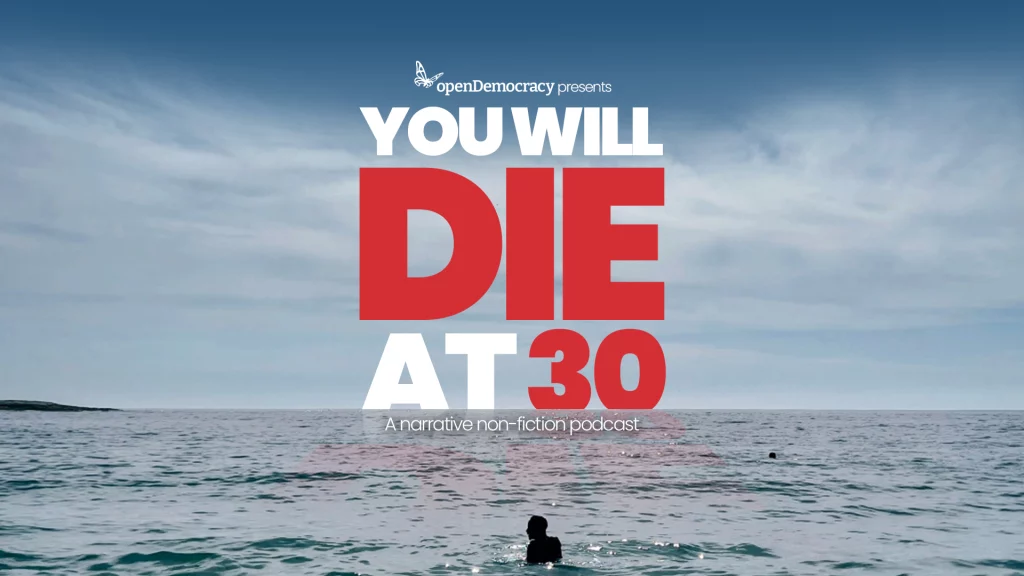
This essay is adapted from “鈥� the first of a five-episode narrative non-fiction audio series, How to Find Queer Elders. In the following episodes, Awo continues her search to find queer elders across Ghana, confronting hard questions about love, grief, loss, religion, parenting, identity.
As she embarks on this journey to find these largely, previously invisible elders, Ghana is preparing to pass an anti-queer bill; on the premise that 鈥渜ueerness鈥� is unAfrican, and doesn鈥檛 exist in our culture. And yet. Also, violence against queer people is on the rise. Awo is risking everything to find these elders and dismantle her mother鈥檚 prophecy.聽
Will Awo find them? Can she live long and free?聽
鈥淗ow to find Queer Elders鈥� is executive produced by and Ayodeji Rotinwa.