With stories about suffering first and finding success later, to how women should behave, Nollywood didn鈥檛 just entertain us growing up鈥攊t shaped us, whether we were conscious of it or not. But then real life happened, and we found out that we’ve been fed mostly half-cooked ideas and lies.
In an interview with 糖心原创, Nneka* reflects on growing up believing what Nollywood told her was the experiences of women who chose to pursue corporate careers and how she started working and adulthood and life slowly peeled those layers of fiction away.

This is Nneka鈥檚 story as told to Marv
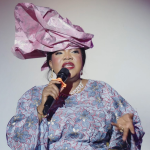
There鈥檚 a Nollywood movie whose name I can鈥檛 remember, but the storyline I will never forget. I watched as a child. In it, Patience Ozokwor played a terrible boss. She made everyone who worked for her scared. When I watched that movie, I remember not thinking how awful she was. But how awful all women in power were.
I grew up in a house that watched Nollywood movies in the days of video clubs. Many of them told similar stories about women.
In the 2012 film Mr. and Mrs, Thelma Okoduwa plays Linda, a woman who had a full-time job at a bank. Eventually, her husband begins to have an affair with the maid and the foundation of her marriage is threatened.
For a young, impressionable me, this is what happens when women don鈥檛 give their husbands time. The film told me that busy working-class women lost their families or their husbands to the housemaids who gave them food, and I wholly believed this. I felt bad for her. She had lost her most precious possession鈥攈er marriage.
Nollywood told me marriage was the holy grail for women, and I believed. Growing up, whenever adults asked what I wanted to be, I鈥檇 freeze a little, because deep down, I wanted to say something simple like 鈥渨ork in an office.鈥� But I was scared. Saying I wanted a regular 9鈥�5 felt almost shameful, like I was asking for too much. It was always 鈥淚 want to own a business,鈥� because there was always that fear of 鈥淵ou want to work? Who鈥檒l take care of your husband? You鈥檙e too busy in the office. They鈥檒l snatch your husband.鈥�
I began to struggle with this idea as I approached my 14th birthday. It was around this time that I discovered Christiane Amanpour, the veteran British war correspondent on TV. She was in Kabul during the Iraq War. I sat with my father in the sitting room watching her report 鈥� father and daughter attentive.
I was so incredibly surprised that I turned around and asked my father, 鈥淚s that a woman in a place they鈥檙e fighting, shooting guns and bombs going off? A woman can do this?鈥� My father鈥檚 response was 鈥淵es, indeed.鈥�
I grew interested in foreign media and started reading novels by Sandra Brown and other authors with female protagonists doing strong things. It made me realise that, 鈥淐ome oh, all these things Nollywood is telling me aren鈥檛 exactly true o.鈥�
Consuming other forms of media outside Nollywood began to change my mindset. It showed me women doing big things, making me want to do big things, too. At some point, I decided I wanted to work in news media. I went to university and studied mass communication, where I learnt about the concept of 鈥渕ale gaze.鈥�
Later, as a young cub in a newsroom, I was determined to prove that I belonged, that I deserved this job. I, too, began to spend hours upon hours longer at the office.
My mind began to flicker back to The Bank Manager, the 2005 movie, where Eucharia Anunobi played a bank manager who prioritised her job over her husband and young children. I will never forget the scene where, during a heated argument with her husband, Anunobi鈥檚 character retorted, 鈥淚 will never resign my appointment with the bank.鈥�
I remember siding with her husband at the time. Years later, in my newsroom, I began to see why she had to spend long hours at the bank. It dawned on me that women just have to do a lot and put in more work than men to prove that they鈥檙e capable and deserve things like promotions.
I also discovered that female bosses aren鈥檛 terrible. It鈥檚 not a gender thing; it鈥檚 a personality thing. I have had bad male and female bosses鈥攎ore of the male, to be honest.
I will never forget what someone told me at the newsroom: 鈥淎fter all this your hard work now, one man will just bench you.鈥� What this person meant was that I didn鈥檛 need to work as hard because I鈥檇 get married. I was just working so hard to get a promotion.
Now I try to make sure that nothing I do or say puts those ideas in anyone鈥檚 mind. I know how powerful those ideas can be. It could even be a joke, but it plants something in someone鈥檚 path and spirit. As a career woman in the media, I don鈥檛 play with rhetoric like that. I don鈥檛 even allow people to make jokes like that to me. It’s that serious.
Studying mass communication at university and working in the media in Nigeria have indeed shown me that Nollywood was very wrong. In fact, not just wrong. It did a whole generation dirty. I see people believe those ideas; many still struggle with them in 2025.
Anybody who鈥檚 35 to 40, who grew up watching Nollywood and reeducated themselves, would find out they have been fed a lot of wrong information about gender roles, not only at the workplace, but also at home.
Now, as a grown-up, I鈥檝e realised that it isn鈥檛 true; some women are full-time housewives and they still lose their husbands.
Looking back at those older Nollywood movies, I realise that those men who made those films weren鈥檛 exposed. Most of those movies back then came from Aba, in the South-East, which is one of the global capitals of sexism. As much as they were making movies, most of them were really chauvinistic men who grew up with expectations about women.
READ NEXT: Can Nollywood Love Stories Stop Failing Its Strong Women?
These days, I catch myself scrolling through YouTube comments under Nollywood movies and laughing out loud. Some women would comment something like, 鈥淕od will punish that man. This is exactly my story.鈥� And I get it. It鈥檚 a movie, but I notice it’s personal and painful for a lot of people.
The chokehold Nollywood had on me growing up is losing now.
These days, I have been thinking about making my own Nollywood movies. I want to explore the panic around turning 30 and being unmarried. The movie will reflect the anxiety about being 30 and show how real it is for single women. It鈥檒l also ask if the pressure to get married is as prominent as it used to be. These days, women are getting married in their 40s. I want people to know that marriage isn鈥檛 the ultimate for women.
Note: The name of this interview subject has been changed for confidential reasons.
ALSO READ: I Am a Feminist Who Enjoys OdumoduBlvck鈥檚 Music