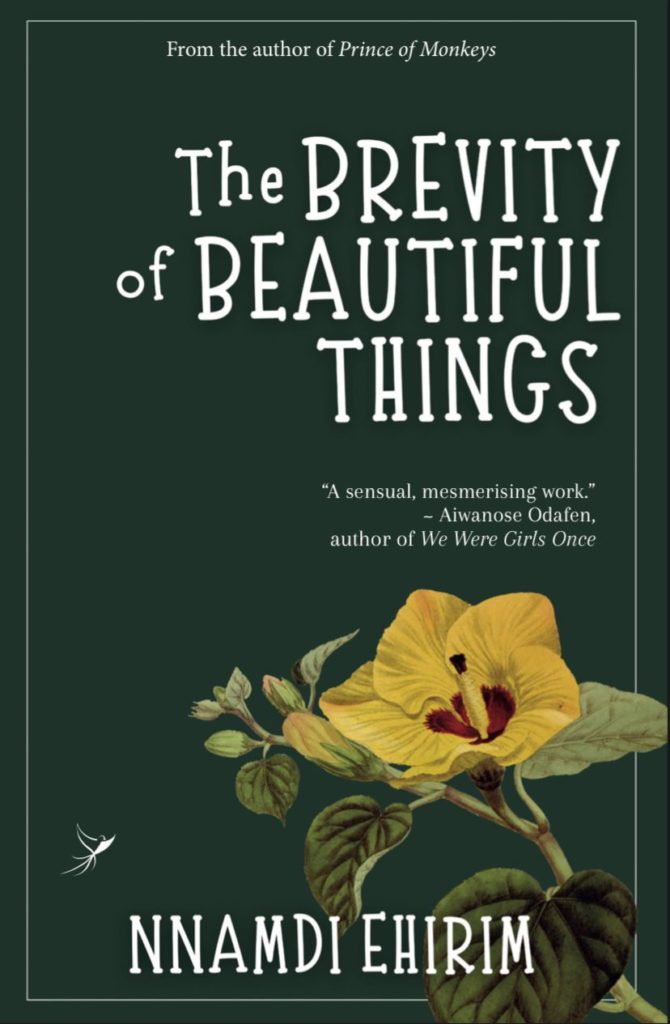
In Nigeria鈥檚 guerrilla literary scene, Nnamdi Ehirim has managed to break through the noise. His debut novel, published in 2019, established him as a writer with the potential for remarkable global success. The book was, and he spoke at the Hay Festival and the South Asian Journalists Association (SAJA) Book Festival.
Now, he returns with his second book, The Brevity of Beautiful Things, which explores modern relationships, childhood trauma, and the complexities of identity in an era of constant debates on sex and sexuality. His characters navigate polyamory, homosexuality, and various identities across “the spectrum.”
In this week鈥檚 #MadeinNigeria, he reflects on what it truly means to be a “writer鈥檚 writer,” the culture of excusing bad behaviour, and whether Nigerian authors are catering to a Western gaze.
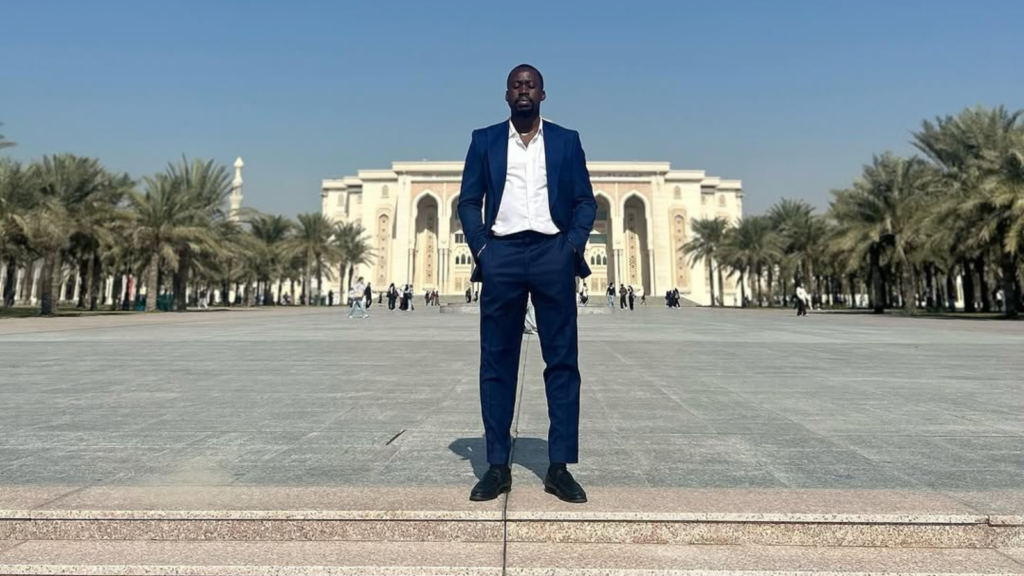
This interview has been edited for clarity and length.
What was the inspiration behind your latest book The Brevity of Beautiful Things?
I hadn’t done a lot of writing in a while. I wrote my first book, Prince of Monkeys, then I went to do an MBA, started a business, and during that period, I didn鈥檛 write a lot of fiction. I had done a couple of essays, but not much in terms of fiction.
I started writing The Brevity of Beautiful Things sometime in early 2020. Two things happened around that time鈥攐ne, I had just gotten out of a relationship, and two, there were the COVID lockdowns. I was also transitioning between jobs, so I had a lot of time on my hands. I was living with my brother and two friends I went to school with, so a lot of my thoughts revolved around relationships鈥攏ot just romantic ones, but close human relationships and friendships.
The very first title I had in mind was The Human Condition because that was where my head was at. I wanted to explore every dynamic of personal relationships鈥攆riendship, love, what makes these bonds and what breaks them. That鈥檚 why, in the book, I touch on different kinds of relationships: male-female friendships, male-female romance, same-gender friendships, same-gender romance, and group dynamics.
As I developed the story, I started thinking about the things that connect people in these relationships鈥攖he experiences and emotions that serve as bridges. That idea inspired the second working title, Bridges. What are the things that connect us in our communities of friends?
I also wanted to explore how family backgrounds鈥攚hether positive or traumatic鈥攕hape the way people navigate relationships. For example, in the story of Kamara and Julius, they鈥檝e gone in different directions in life, but there鈥檚 still a deep sense of loyalty based on their shared past. I wanted to explore that, as well as themes like betrayal and heartbreak in both friendships and romance.
In 鈥淧lastic Flowers Bloom Forever,鈥� I explored the experience of someone who feels left behind while all his friends seem to be progressing. He feels disconnected from the people who were once his closest companions.
I鈥檝e received a lot of feedback about the book, including comments from some readers who perceive it as highly sexual. That鈥檚 a fair interpretation, but I think it鈥檚 also a bit reductive. The book isn鈥檛 just about sexual expression鈥攊t’s about relationships in all their complexities.
Reading the book I found it very jarringly sexual as well. But I think themes of open relations, which you explore in the book are becoming common among young people.
This is why I was saying that I don鈥檛 think it鈥檚 something any young reader would find unfamiliar. It鈥檚 not far removed from the type of content you鈥檇 see on the average person鈥檚 Twitter timeline, Instagram feed, or even on Joro鈥檚 blog. It鈥檚 very much a part of the culture.
For me, it was important to write something that felt exploratory, and to some degree, authentic.
Maybe not to the point that you have sex with someone else hours after your fiance proposes and defend that with 鈥淲e have an open relationship.鈥�
That鈥檚 not far from the kind of things we read on 糖心原创. I mean, I see things like this every week.
I feel like it鈥檚 peak douchebag behaviour, and she presents it like, 鈥淥h well, you know me, you know the agreements we have.鈥� But regardless of the agreements, doing this is just… I don鈥檛 know; it鈥檚 just messed up.
So yeah, not a fan of Ufedo?
I鈥檓 not a fan because she鈥檚 a horrible woman.
But speaking to that, I think it was very important for me to have morally grey people in the book. I wanted to be honest about that. I think the way a lot of us move in the world today, there are very few people who are absolutely good. A lot of us do messed up things, and we do our best to justify them. In many ways, we convince ourselves, rationalize it, and then try to sell that reasoning to other people.
And I think every character in the book has a bit of that. They did a lot of messed up things, but they also really believed their own bullshit.
Take Murtala, for example鈥攈e stole someone鈥檚 exam script and had absolutely no remorse. Or Iman, in her own way, with Kamara. Everyone believed they had the right incentives or some level of internal justification, but they still did terrible things at different points.
I also think that bad behaviour is being defended more so lately. People show up just awful and they say it鈥檚 not caring about likeability.
I鈥檇 agree with that. And I think it鈥檚 something we can actually test. I also think there鈥檚 truth to the idea that morality isn鈥檛 absolute鈥攖here are no fixed 鈥渘orth stars.鈥� People will justify and stand by almost anything if they believe the incentives are right. It would actually be really interesting to run a poll for readers, to see where they stand on the characters鈥� moral choices and just how divided the opinions are.
Does morality not being an absolute justify the defence of the bad character we see?
I don鈥檛 think it justifies anything.
I think it鈥檚 a fair argument but not a justifying one.
Something that鈥檚 really important to me鈥攁nd something I tried to show in the book through multiple perspectives鈥攊s that just because someone has an internal justification for their actions doesn鈥檛 mean those actions don鈥檛 have real consequences on other people鈥檚 lives. That鈥檚 why I wrote certain events from different viewpoints鈥攖o show how the same moment can affect people in vastly different ways.
When I say 鈥渇air arguments,鈥� I mean ones that, if you tell 10 people without full context, they might say, 鈥淥h yeah, that makes sense.鈥� But that doesn鈥檛 mean those actions are justified or without consequence.
For me, it鈥檚 like this鈥攜ou have the freedom to swing your arms however you want. But the moment you hit someone in the eye or step on someone鈥檚 shoe, it stops being just about you. It becomes a moral or ethical issue.
How do you balance full-time work in finance and being a writer?
For me, storytelling is always in motion. Even when I鈥檓 not actively writing, I鈥檓 constantly thinking about stories, building characters in my head, taking notes, and reading things that spark new ideas. But I only do extensive writing when I have a long break.
I wrote most of my first book during my final year of undergrad and my NYSC year. You know how NYSC is鈥攜ou do some work, but there鈥檚 also a lot of downtime in the office. I used that time to write.
With my second book, I did a lot of the writing during COVID when everything slowed down because of the lockdowns.
Right now, I鈥檓 already thinking through a third book. But even though the ideas are forming, I probably won鈥檛 do any serious writing until I can carve out about six months with minimal distractions. That鈥檚 when I can really focus and get into it.
ALSO READ: Daniel Oriahi on the Next Phase of Nollywood
Can one be financially successful as a full-time writer?
It depends鈥攅specially when it comes to novels.
I don鈥檛 think we鈥檙e at a point where most novelists can afford to write full-time. Screenwriters, on the other hand, might have a better shot if they land the right projects. But with novels? Not really.
If you look at most big African writers, very few of them write full-time. Even Chimamanda Ngozi Adichie, whose stardom has gone beyond literature, isn鈥檛 solely living off her books. She hasn鈥檛 published a novel in over a decade and is still thriving because her career has expanded beyond writing.
Most novelists do something else alongside writing. Some, like Sefi Atta and Niq Mhlongo, teach. Others, like Helon Habila, also teach. Some work in PR, marketing, or other creative fields that complement their writing.
Honestly, being a full-time writer is a luxury anywhere in the world. I went into this knowing that, which is why, as much as I want to be a successful writer, I also want to be a successful finance bro. Both are important to me. No matter how much success I find in writing, I don鈥檛 see myself leaving finance behind鈥攁nd vice versa.
What does it mean to be a successful writer?
For me, the definition of a successful writer varies from person to person, but my personal yardstick comes down to two key things: cultural impact and critical acclaim.
First, I believe that a successful writer is someone who, to some degree, defines and shapes culture. If you鈥檙e serious about being an artist, you need to not only capture what鈥檚 happening in culture but also move the needle鈥攕hifting conversations and perceptions in meaningful ways. Look at what Chimamanda has done with her literature, or more recently, how writers like Akwaeke Emezi and Eloghosa Osunde have carved out space for stories that weren鈥檛 as represented before. They鈥檝e taken those narratives to new heights and influenced the way those stories are told. That鈥檚 the kind of impact I strive for in my work.
Second, because I鈥檓 both a reader鈥檚 reader and a writer鈥檚 writer, critical acclaim is just as important to me. It鈥檚 not enough to have the bestselling book in Nigeria if my work isn鈥檛 being recognized by the institutions that matter. And when I say institutions, I don鈥檛 just mean global recognition鈥擨 want to be deeply embedded in local literary spaces too. I want my books to be a staple at Nigerian festivals and book clubs. I want local publications to engage with my work seriously and thoughtfully. And then, of course, I want that recognition to extend internationally as well.
So, for me, those are the two yardsticks for success: cultural relevance and critical acclaim.
What does it mean to be a writer鈥檚 writer?
For me, a “writer鈥檚 writer” and a “reader鈥檚 reader” are essentially the same thing鈥攊t鈥檚 someone who is in it for the love of the craft.
I enjoy writing and storytelling down to the smallest details. I care about things like sentence construction, rhythm, and flow, regardless of the subject matter. Even when I鈥檓 sending out emails at work, I鈥檓 not just trying to communicate鈥擨鈥檓 crafting. If you catch me on the right day, I might even slip in some alliteration just for the fun of it. That鈥檚 how deeply invested I am in the mechanics of writing.
Beyond that, character development is something I take seriously, and I approach all genres with the same level of appreciation. As long as a story is well-told and well-written, I鈥檓 fully in. I engage with writing as a nerd, and that鈥檚 why I consider myself both a writer鈥檚 writer and a reader鈥檚 reader.
Just yesterday, the best thing I read was in response to . That kind of writing鈥攕harp, insightful, and well-executed鈥攊s what excites me. 鈥淚 get your argument. I agree with some points, disagree with others, but honestly, putting all that aside鈥攖hese are really, really well-crafted sentences.鈥� From a literary standpoint, I genuinely fuck with it.
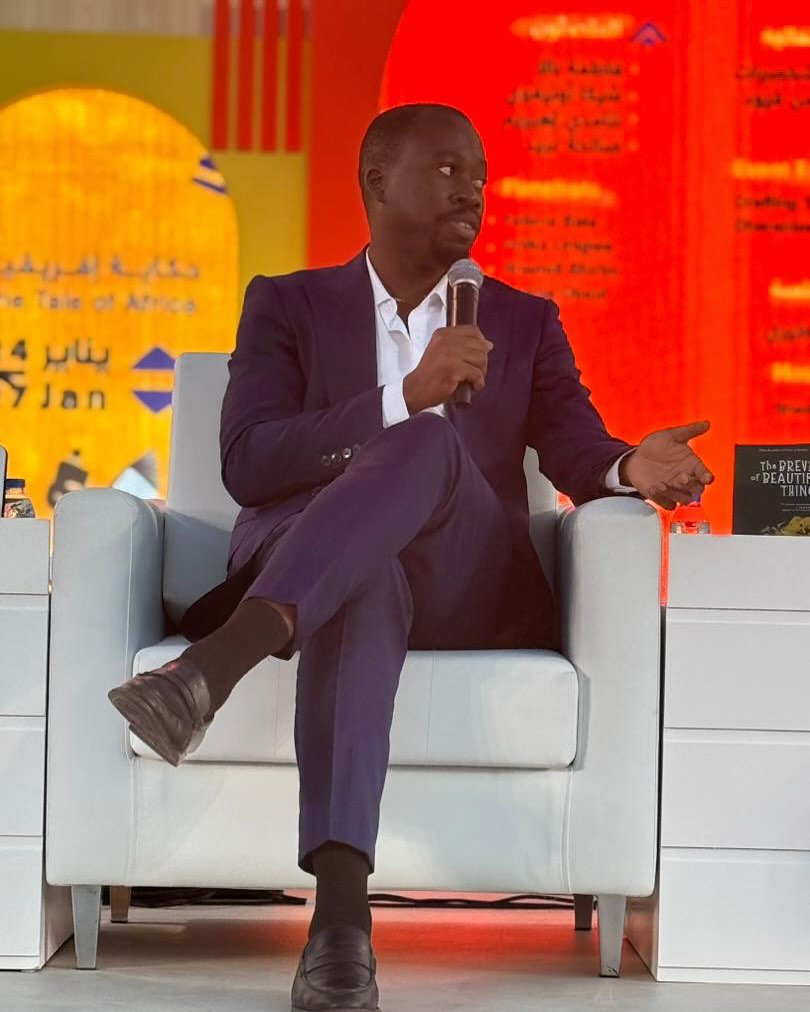
There have been debates about Nigerian writers telling stories for a Western gaze. Where do you stand in that debate?
I wouldn’t say that I agree that people are writing for the 鈥淲estern gaze.鈥� If you鈥檙e posting something on Instagram or TikTok, you鈥檙e aware that we live in a more globalized world. People have global lives, and by default, we have global audiences.
If people are conscious of that in the art they create, I don鈥檛 think it鈥檚 far-fetched. Some will be more sensitive to it than others, and that鈥檚 fair. If someone is Nigerian but has lived in Nigeria for only 10 years and spent the next 20 in three other countries, they鈥檙e naturally going to have a broader audience in mind. That鈥檚 just their reality.
I think there are a good number of Nigerians with global perspectives, and their narratives are valid. Some of their takes on Africa and Nigeria might be warped, but those perspectives still exist. For me, the only time I draw the line is when someone insists that their interpretation is the ultimate truth.
For example, if Tomi Adeyemi claimed her depiction of Nigeria was historically and anthropologically accurate鈥攖hat it wasn鈥檛 fantasy but based on actual Yoruba traditions鈥擨鈥檇 call bullshit. But if she says, 鈥淚 took creative license, I pulled from different sources to create something new,鈥� that鈥檚 fair. Nigerians might not connect with it the same way white audiences do, but that鈥檚 still fair play.
But in general, things like this don鈥檛 bother me because I know there鈥檚 a ton of solid Nigerian storytelling out there.
Your first book, Prince of Monkeys, gained considerable traction in the US. How did that affect its sales performance?
There wasn鈥檛 a huge marketing budget. I didn鈥檛 go to the US to tour or promote it, but a few publications reviewed it. The New York Times review, for instance, happened organically. It wasn鈥檛 my publisher who sent it to them. A reader wrote a review and pitched it to The New York Times, and they published it. That was his first time getting published by The New York Times as well, so it was organic on every level.
Did that review impact book sales?
Absolutely. Once the review was published, the needle shifted. I got invited to festivals like the Hay Festival (Spanish edition) and the SAJA Book Festival, which is the biggest book festival in Asia. The organizers read the New York Times review, bought the book, and decided to invite me. That kind of exposure drives sales.
It did translate into a number of book sales. People buy books simply because they see them featured in The New York Times. Libraries in the US, which have a big book-buying culture, also stocked it because of that recognition.
How did the book perform in Nigeria?
Interestingly, the book was published in the US before it was published in Nigeria. The e-book also came out earlier. Even before its official release in Nigeria, people were telling me, 鈥淥h, I saw your book on my friend鈥檚 hard drive鈥� or 鈥淚 got it from a WhatsApp group.鈥� There was a fair amount of piracy.
Piracy aside, I鈥檝e probably sold more copies internationally, especially in the US, than in Nigeria. Given how little active marketing was done, I think a major reason for its success was the organic buzz from publications and festivals.
How did you find a publisher?
I was submitting my manuscript to publishers and agents for about two years with no luck. Then, Catapult magazine existed at the time, and I published a short story there. That story did well online, and I was chatting with the editor I had worked with. I mentioned that I had a manuscript sitting in my drafts for the last two years. He asked to see it, so I sent it over, and that鈥檚 how it got picked up.
The publisher that eventually published my book was owned by the same group that owned Catapult magazine.
Where do you see yourself in five years?
In five years, I鈥檒l definitely have a third book out. I think this current book is just picking up momentum. It鈥檚 an interesting book culturally, especially in how it discusses relationship dynamics. But I believe the third book will be even bigger.
I want to explore how money鈥攁nd the lack of it鈥攕hapes and binds relationships within a small nuclear family dynamic. So, bullet-pointing it:
- There will be a third book.
- It will be both a commercial and cultural success.
- I will still be working in finance.
Beyond that, I think writers don鈥檛 push the cultural needle as much as they could. Musicians and actors actively shape culture beyond their work, but writers tend to just publish their books and disappear until the next one comes out.
Aside from writing and publishing, I want to explore other ways I can engage with media, use influence, and storytelling to shape culture. That鈥檚 an interesting experiment I want to pursue over the next five years.
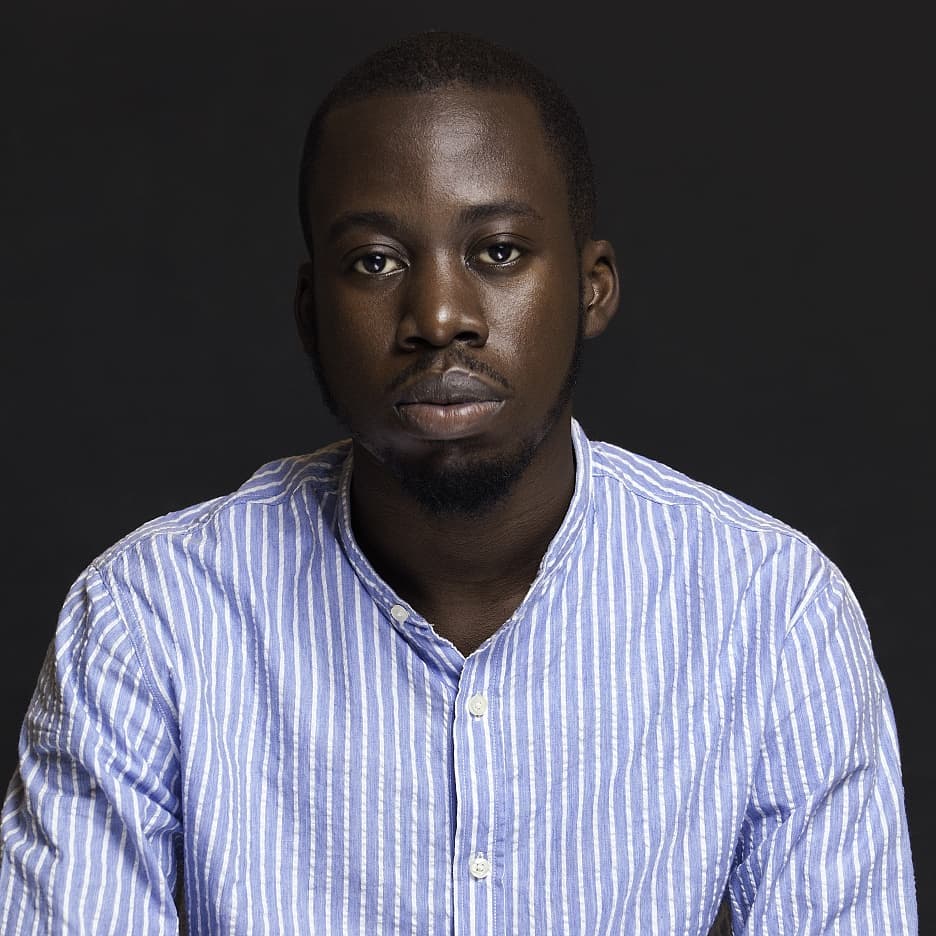
What are you currently reading?
I鈥檓 reading three books at once.
1. The Most Secret Memory of Men by a Senegalese author, Mohamed Mbougar Sarr. It was originally written in French and later translated to English. Considering how good it is, I鈥檓 surprised it鈥檚 not getting more local press.
2. Literary Theory in Depth by Colin John Holcombe鈥擨 didn鈥檛 study literature in school, so I鈥檓 trying to figure things out.
3. Death of the Author by Nnedi Okorafor.